


In The Shadow Of The Gods - The Emperor In World History
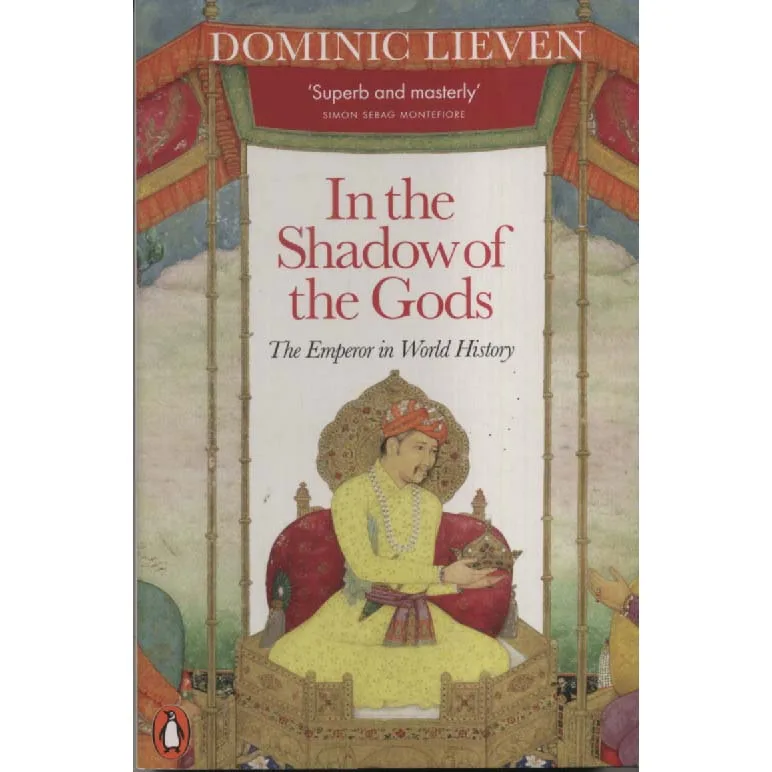
Publisher: Penguin Books
Format: Paperback
ISBN: 9780141984452
Dominic Lieven’s In the Shadow of the Gods is a grand, sweeping and quietly intimidating reminder that for most of human history, vast numbers of people looked at a single individual and thought: “Yes, clearly this semi-divine ruler dressed in embroidered silk probably does have a cosmic mandate to govern the known world.”
Modern democracies may flatter themselves that they have moved beyond such things, but Lieven’s magnificent study of emperors and empire suggests humanity has spent an extraordinary amount of time enthusiastically building gigantic political systems around charismatic figures claiming special relationships with heaven, destiny or history itself. The emperor, it turns out, was one of civilisation’s favourite management structures.
This is world history on an epic scale. Rome, Byzantium, China, Russia, the Islamic world, the Habsburgs, the Ottomans and countless imperial experiments rise and fall across the pages in a dazzling comparative study of how empires justified power, projected authority and attempted to convince millions of people that one family, dynasty or ruler somehow stood slightly closer to the gods than everyone else.
Lieven writes with immense scholarship but also with the calm confidence of someone who genuinely enjoys the strange theatre of imperial rule. Ceremonies, dynasties, court politics, military conquest, sacred kingship and bureaucratic gigantism all blend together into a portrait of empire as both practical governance and elaborate cosmic performance art. Somewhere between divine mandate and tax collection lies the entire history of civilisation.
The irony running through the book is glorious. Emperors constantly presented themselves as eternal and universal while usually spending enormous amounts of time panicking about succession disputes, border tribes, treasury deficits, palace intrigue and rebellious relatives. The supposedly godlike ruler often turns out to be one unfortunate military defeat away from assassination, exile or a very uncomfortable palace coup.
What makes the book particularly compelling is Lieven’s refusal to reduce empires to simple morality plays. He understands that imperial systems were capable of extraordinary cultural achievement, administrative sophistication and long-term stability while simultaneously generating violence, exploitation and catastrophic collapse. Humanity repeatedly built gigantic imperial structures because, inconveniently, they often worked remarkably well for long periods of time.
And throughout it all hangs the fascinating question of legitimacy. Why do people obey emperors? Why do vast populations accept claims of sacred or universal authority? Why do imperial myths survive even after empires themselves vanish? The answers, Lieven suggests, reveal uncomfortable truths not only about the past but about modern politics and power more generally.
This is a superb book for readers of world history, empire, political theory, monarchy, religion and anyone interested in the long human tradition of constructing colossal systems around individuals in impressive hats.
Condition: Good. Sold by Crappy Old Books, where fallen empires, sacred authority and several thousand years of organised imperial ambition remain conveniently available in paperback.
Keep browsing: See more History books Other books by Dominic Lieven
